
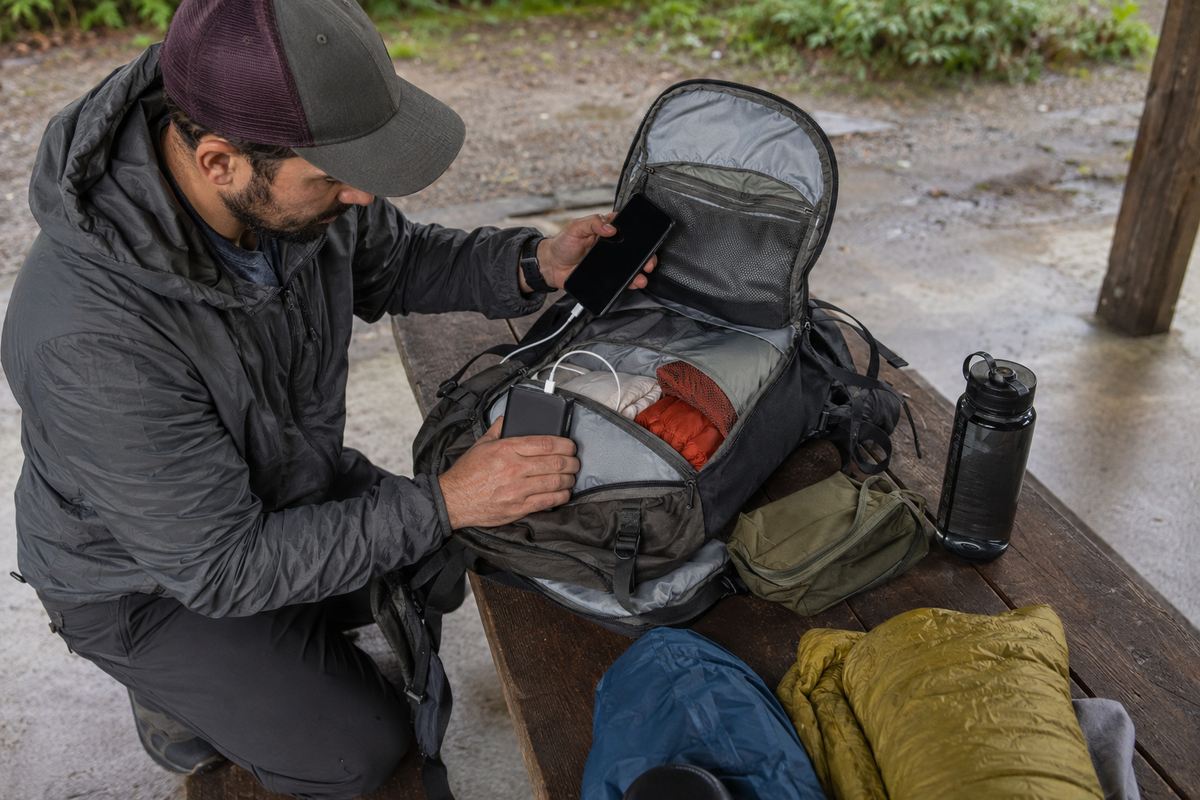
A late gear check often shows the issue: a pack filled with duplicates a battery that's almost dead and one missing item that matters more, than all the rest. Carrying more does not mean a day is safer. Carrying less without a plan can turn a delay into a situation. A useful gear audit starts with the route, weather, legal rules and possible setbacks. Then each item gets a job. The goal is not to carry the load. It is to carry a load that supports decisions in the field.
Start with the day you are actually planning
Lay out your gear after answering a simple questions. How long will you be away? Will you stay on a maintained trail go across ground or work near water? Are you hunting, scouting habitat checking a property line or just hiking? The answers change what belongs in the pack.
Separate essentials from conveniences. Essentials help you navigate, communicate, stay hydrated handle injuries deal with weather and get back safely. Conveniences can improve comfort. Should not replace the basics. A heavy camera extra clothes or multiple tools can make sense if they serve the trip. They become choices when added out of habit not need.
Check the forecast from a trusted source. Don't treat it as a promise. Wind, ground, fading light and sudden temperature changes can shift plans fast. A route that's easy in weather may be much harder after rain. Make decisions based on the outcome, not the best forecast.
Give every item a job and a backup plan
A good pack has purpose, not stuff. For each item ask: What problem does it solve? How likely is that problem? What happens if it fails? This shows duplicates. Reveals gaps that're easy to miss when packing by category.
Navigation deserves focus. A phone can help,. Battery life, signal and cold can limit it. Carry a map that fits the area and know how to use it before you leave. If you depend on navigation start with a charged device. Bring a power source that fits the trip. Test the setup at home-don't wait until you're at a trail junction to find out the app doesn't work or the cable is broken.
The same idea applies to clothing. Choose layers that you can adjust as effort and conditions change. Bring rain protection if getting wet would create a safety issue, not a comfort problem. Check footwear for soles, loose stitching and fit. Blisters and wet feet can ruin a day long before any real emergency happens.
Use a field-readiness checklist
A checklist works best when it is specific to the trip. Keep it short to use every time.
– Route, access points and return plan reviewed
– Current forecast and daylight conditions checked
– Water, food and a way to treat or carry water planned
– Navigation, communication and backup power tested
– First-aid supplies, essential medicines and emergency info packed
– Clothing and footwear matched to terrain and weather
– Required hunting documents, permits, tags and visibility gear confirmed
– Waste, sanitation and wildlife considerations addressed
The list is not a replacement for judgment. It is a reminder to avoid oversights- when leaving early packing for multiple people or changing plans last minute.
Cut weight without cutting resilience
Lightweight packing should remove redundancy before it removes ability. Start by removing tools, excess packaging and clothing that doesn't match the forecast or activity. Repackage items only if labels, instructions and safe handling remain clear. Don't leave an item behind just because it's rarely used-only if its absence would create a problem.
Consider shared gear when traveling with a group. Agree ahead of time who carries what. A first-aid kit or navigation tool that is present but far from the person who needs it may not help when the group splits. Personal essentials-medications, water, weather protection-should usually stay with the person who needs them.
Comfort still matters. A lighter load can reduce fatigue. Fatigue also comes from pace, not enough food, bad shoes or a route too hard for the group. The best choice might be an item that improves warmth, visibility or communication. The trade-off should be intentional not driven by a goal weight.
Check rules, access and stewardship before departure
Preparation is more than gear. Hunting seasons, licenses, land access, fire rules, vehicle policies and species rules can change. Confirm rules through the wildlife agency, land manager or another trusted local source. Do not rely on a screenshot, a memory or advice from season.
Watch for boundaries and closures. A legal trail or hunting area may have limits due to fire risk, restoration, nesting animals, flooding or other management actions. If a rule is unclear. Verify it. Don't treat uncertainty as permission.
Your packing also affects the land. Carry out food scraps, repair materials and other waste. Keep soap, fuel and chemicals away from streams and lakes. Avoid widening paths and don't move rocks or plants for convenience. In hunting areas follow rules for handling animals and transporting gear. Avoid leaving signs of activity where they might attract wildlife or create danger.
A final check should happen at the vehicle or trailhead: confirm the pack fits the route tell someone reliable where you are going if possible and set a return time. When conditions or energy no longer allow a return changing the plan is a skill, not a failure. The best audit is the one that leaves room, for judgment care and a safe way home.